
Does Getting a Tattoo Hurt? Tattoo Pain Chart by Placement
Key takeaways
- Fleshy, padded areas like the outer arm, shoulder and calf hurt least.
- Bony spots, thin skin and nerve-dense areas — ribs, spine, feet, hands — hurt most.
- Sleep, food, hydration and breaks make a bigger difference than most people expect.
- Always ask your artist before using a numbing cream.
On this page
Does getting a tattoo hurt? Yes, a little — but how much depends mostly on where it goes. Our tattoo pain chart below ranks body placements from low to high pain, so you can choose a spot that suits your comfort level.
Most people describe the feeling as a hot scratch or a constant sting. It's usually strongest in the first few minutes, then settles as your body adjusts.
We see nervous first-timers every week at our studio in Brookefield, Bengaluru. Here's what we tell them.
What tattoo pain actually feels like
Tattoo needles move very quickly, putting ink into the upper layers of your skin. The sensation varies by area and by technique:
- Linework often feels like a sharp, precise scratch.
- Shading feels more like a dull, spreading burn.
- Colour packing can feel more intense because the same area is worked repeatedly.
- Over bone, there's often a vibrating, rattling feeling.
Pain is personal. Some people chat through a session; others need regular breaks. Neither is wrong.
Tattoo pain chart by placement
Use this tattoo pain chart as a general guide. Your own experience may be a little higher or lower.
| Placement | Pain level | Why |
|---|---|---|
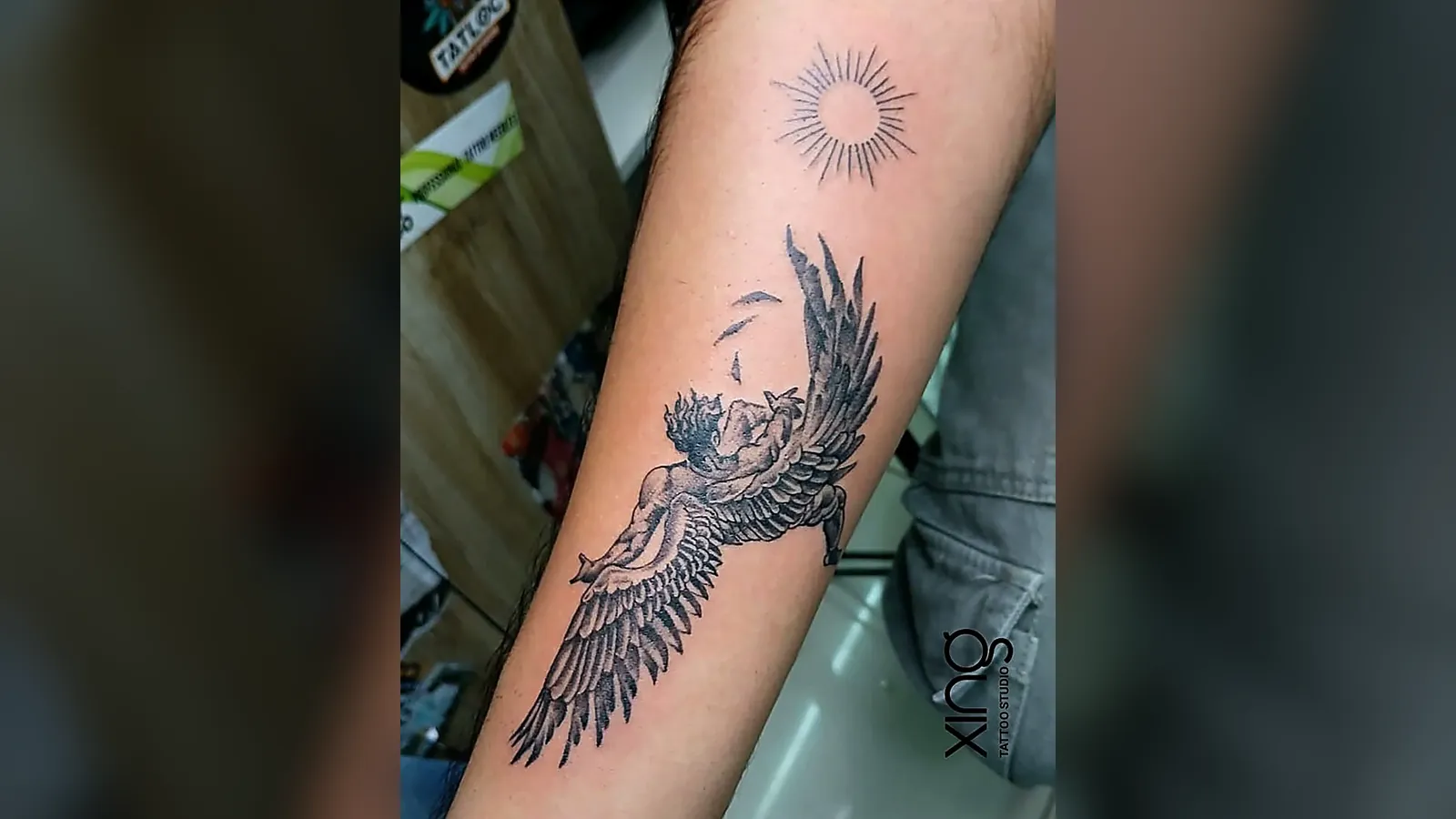
| Outer upper arm | Low | Good padding, few nerve endings |
| Shoulder (outer) | Low | Muscle and thick skin |
| Outer forearm | Low–medium | Firm and flat |
| Calf | Low–medium | Muscle, plenty of space |
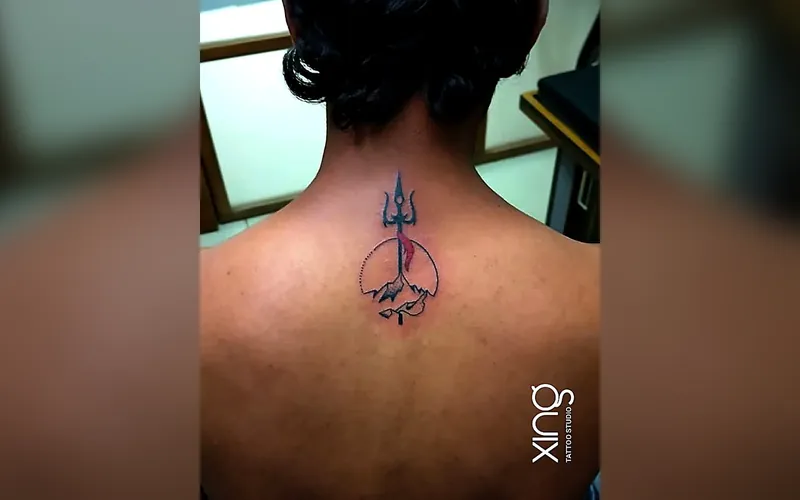
| Upper back | Medium | Thick skin, but near the spine it rises |
| Outer thigh | Low–medium | Large, padded area |
| Inner forearm | Medium | Thinner skin |
| Inner wrist | Medium | Thin skin, close to tendons |
| Chest | Medium–high | Sternum and collarbone are sensitive |
| Inner bicep | Medium–high | Soft, sensitive skin |
| Neck | High | Thin skin, many nerves |
| Spine | High | Directly over bone |
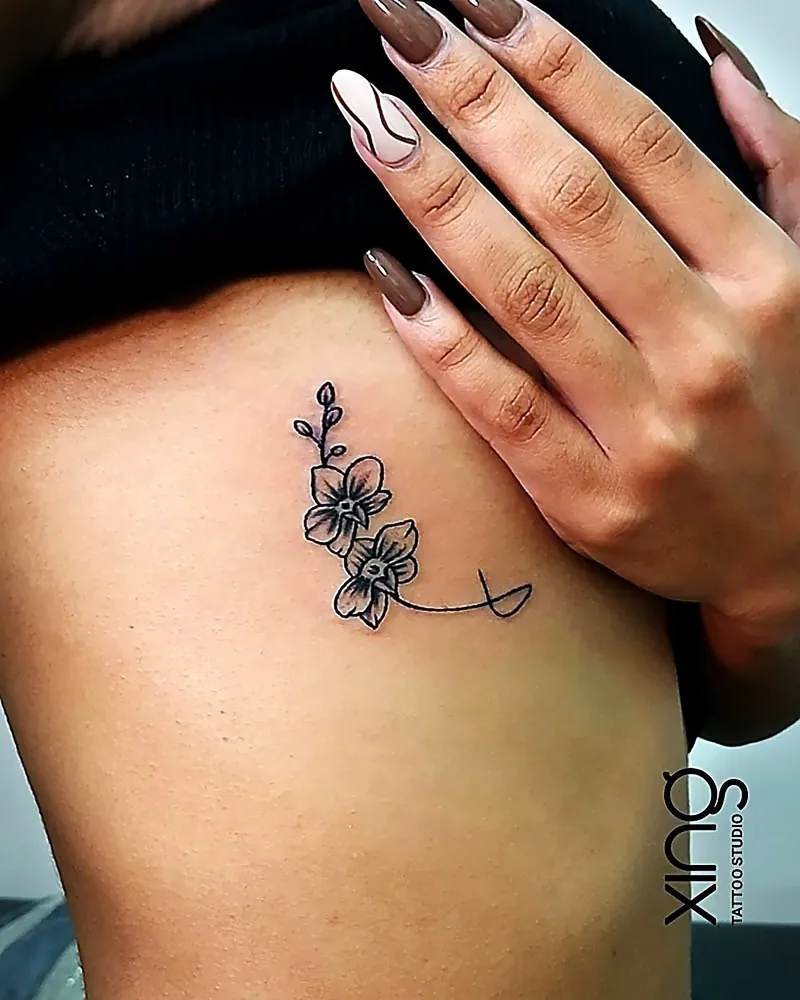
| Ribs | High | Thin skin over bone, moves with breathing |
| Hands and fingers | High | Bone and many nerve endings |
| Feet and ankles | High | Very little padding |
| Elbow and knee | High | Bony and stretchy skin |
Factors that change how much it hurts
Placement is the biggest factor, but not the only one.
Skin and nerves. Thin skin with many nerve endings close to the surface — like the inner wrist or ribs — feels more.
Bone. Tattooing directly over bone, such as the spine, ankle or collarbone, often causes a vibrating ache.
Session length. The longer the session, the more sensitive your skin becomes.
Your body that day. Being tired, hungry, dehydrated, stressed or unwell lowers your pain tolerance.
Design and technique. Heavy shading and colour fill usually feel more intense than quick linework.
Least painful tattoo spots for first tattoos
If you're nervous, start with one of the least painful tattoo spots:
- Outer upper arm — the classic first tattoo spot.
- Shoulder — easy to hide, comfortable to sit through.
- Outer forearm — great for small to medium designs you want to see.
- Calf — ideal for slightly larger pieces.
- Outer thigh — plenty of space for bigger designs.
Our first tattoo guide for Bengaluru has more advice on choosing your first placement, and our placement guide compares how each spot ages.
Tips to manage tattoo pain
Small habits make a real difference:
- Sleep well the night before.
- Eat a proper meal before your session to keep blood sugar steady.
- Hydrate for a couple of days beforehand.
- Skip alcohol for at least 24 hours — it can increase bleeding.
- Breathe slowly and steadily, especially at the start.
- Ask for breaks when you need them.
- Bring distractions — music or a podcast for longer sessions.
- Stay still. Flinching makes it harder for the artist and can mean more passes over the same spot.
Peace's tip: Tell me before we start if you're anxious. I'll talk you through each stage, start with a short test line so you know the feeling, and pause whenever you need.
Numbing creams — ask first
Some people consider numbing creams. Talk to your artist before using one.
Certain products can change the texture of the skin and affect how it takes ink. Some people also react to the ingredients.
If you have a medical condition, take regular medication or have very sensitive skin, check with your doctor before using any numbing product.
Pain by tattoo style and size
Placement isn't the only thing that decides how a session feels. The style and size of the tattoo matter too.
Small fine-line pieces are usually quick. Many are finished in under an hour, so even a more sensitive spot can be manageable.
Script and lettering is mostly linework. It feels sharp but tends to be short, unless the text is long.
Shaded black and grey involves passing over the same skin several times to build smooth gradients. It feels more like a dull burn than a scratch.
Colour packing often feels the most intense, because colour has to be worked in firmly and evenly.
Large pieces such as sleeves and back panels are split into sessions. Each session can still be long, so preparation and breaks matter even more.
If you're nervous, a small fine-line or script tattoo on a low-pain spot is the gentlest way to start.
What to expect after the session
Pain doesn't stop the moment the machine switches off, but it changes quickly.
- First few hours: the area feels warm and tender, like a mild sunburn.
- First two to three days: soreness eases; the skin may feel tight.
- Days four to fourteen: pain is usually gone, replaced by itching and peeling.
Swelling can last a little longer on feet, ankles and hands, because these areas have more movement and less padding. Keep the area raised when you can.
If pain gets worse instead of better after the first few days, or you notice spreading redness, pus or fever, see a doctor promptly. Our tattoo aftercare guide explains what's normal day by day.
Pain and your first tattoo
If this is your first tattoo, choose a low-pain spot, keep the design small to medium, and book a session at a time of day when you're usually rested. Most first-timers are surprised at how manageable it is.
How we do it at Xing
At Xing, Peace plans larger pieces across sessions so you never have to sit longer than is comfortable.
Before the session, we talk through placement and pain honestly, including softer alternatives if you're nervous. During the session, you can ask for breaks whenever you need. Every needle is single-use and opened in front of you.
Conclusion
Tattoo pain is real, but manageable. Choose a placement that matches your comfort level, prepare well and take breaks. Use the tattoo pain chart above as your starting point, then talk it through with your artist.
If you're nervous about pain and live around Brookefield or Whitefield in Bengaluru, come and talk to us before you decide. You can also browse our tattoo services or read the FAQ.
Ready to talk about your idea? Book a free consultation at Xing on the First Floor of SV Plaza, above DMART Ready, AECS Layout, Brookefield — or WhatsApp us.
Frequently asked questions
Written by
Peace
Lead Artist at Xing, Brookefield, with 15+ years of experience. Every consultation, design and session at the studio is handled by Peace personally.
Meet PeaceShare this guide
WhatsAppKeep reading
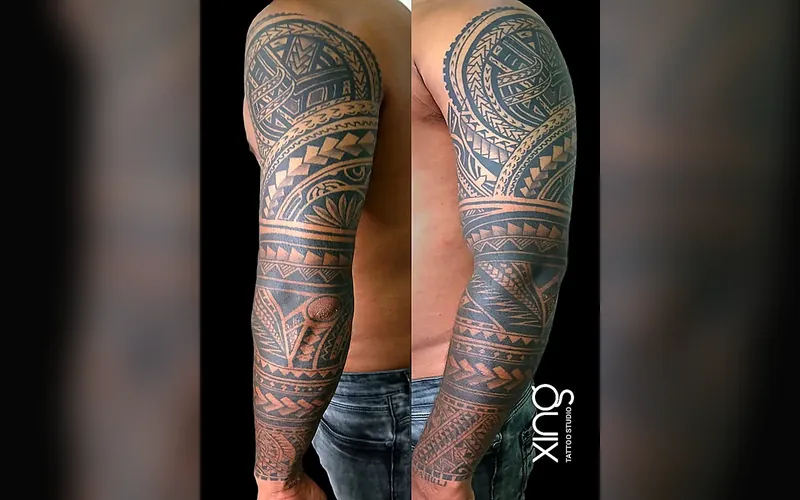
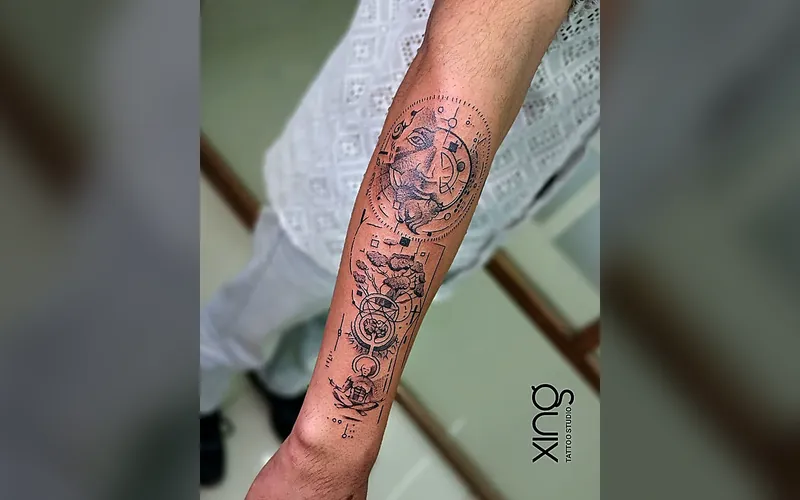
Signature Tattoo Services in Brookefield, Bangalore
Custom work by Peace at our AECS Layout studio — serving Brookefield, Marathahalli, Whitefield and East Bengaluru.
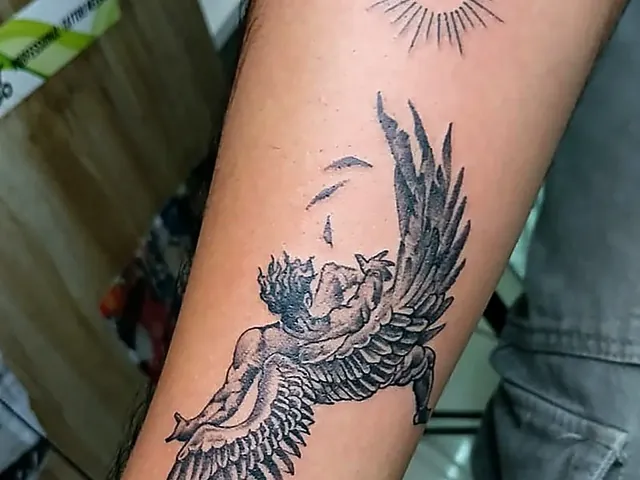
Realism & 3D Tattoos in Brookefield
Explore service Read the guide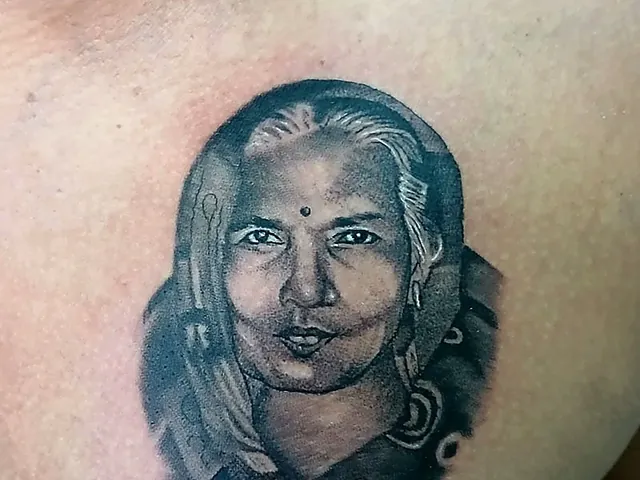
Portrait & Memorial Tattoos, Bangalore
Explore service Read the guide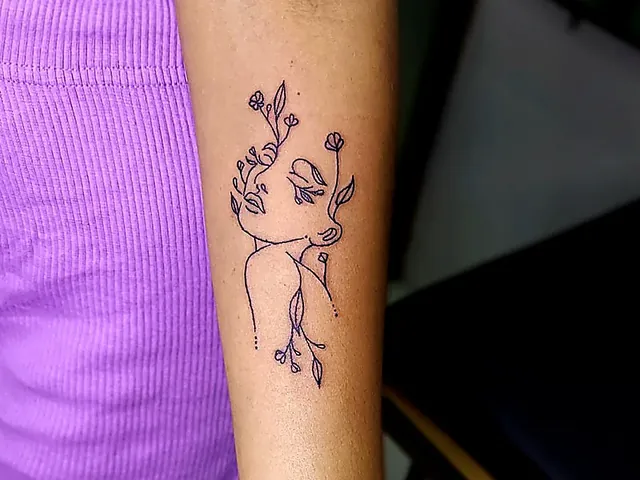
Fine Line & Minimalist Tattoos, AECS Layout
Explore service Read the guide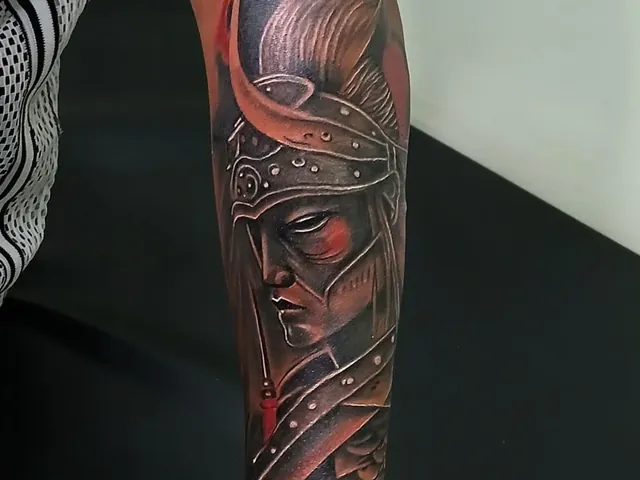
Black & Grey Tattoos near Whitefield
Explore service Read the guide