
Tattoo Touch Up and Rework: When Your Tattoo Needs a Refresh
Key takeaways
- Tattoos fade because of sun, skin renewal, friction, placement and how the ink was put in.
- A touch-up refreshes small areas; a rework improves the whole design; restoration revives an old piece.
- Wait until a tattoo is fully healed — usually at least a month — before any touch-up.
- Blowouts can often be disguised with shading or a rework, but can't simply be erased.
On this page
A tattoo touch up refreshes the parts of a tattoo that have faded, healed unevenly or softened with age. It's quick, usually small and can make an older tattoo look sharp again. When a tattoo needs more than a refresh, a rework or full restoration can improve the whole design.
Every tattoo changes over time. That's normal — skin renews itself, the sun breaks down ink and some areas rub against clothes every day. Knowing when and how to refresh a tattoo keeps it looking its best for decades.
Here's how we explain the options to clients at our studio in Brookefield, Bengaluru.
Why tattoos fade
A faded tattoo isn't always a sign of bad work. Several things affect how ink holds up:
- Sun exposure. UV light is the biggest cause of fading, especially on arms, hands and the back of the neck.
- Skin renewal. Your skin constantly sheds and rebuilds, and ink particles slowly move and spread.
- Friction. Tattoos on hands, feet, fingers, ankles and under straps rub every day.
- Placement. Areas that stretch, sweat or are washed often — like wrists and hands — fade faster.
- Healing. Picking scabs, soaking a fresh tattoo or getting sun on it while healing can pull out ink early.
- Technique. Ink placed too shallow can heal patchy; ink placed too deep can blur.
- Ink colour. Light colours like yellow, pastel shades and white soften faster than black.
Understanding the cause helps decide the fix.
Touch-up vs rework vs restoration
These three words are often used interchangeably, but they mean different things.
| Option | What it does | Best for | Typical time |
|---|---|---|---|
| Touch-up | Fills small patchy or light areas | Recently healed tattoos with uneven spots | Short session |
| Rework | Improves the design — adds shading, strengthens lines, fixes lettering | Tattoos you like but that look weak or flat | One or more sessions |
| Restoration | Revives an old, faded tattoo close to its original look | Older pieces that have softened over years | One or more sessions |
A touch-up is the simplest. If a few spots healed lighter than the rest, the artist fills them in so the tattoo looks even.
A rework changes the tattoo more. It might add shading to a flat outline, darken lines, extend the design or fix uneven script.
A restoration brings back the original look of a faded tattoo — darkening lines, refreshing colour and rebuilding contrast.
Timing after healing
Always wait until a tattoo is completely healed before a touch-up.
General timeline:
- Small tattoos: usually four to six weeks after the session.
- Large or heavily shaded pieces: six weeks or more.
- Older tattoos for rework or restoration: any time, as long as the skin is healthy.
Healing has finished when there are no scabs, no shiny patches and no raw or sensitive areas. Judging a tattoo too early can be misleading — the "milky" stage around weeks two to four can make a perfectly good tattoo look faded.
Peace's tip: Take a photo of your tattoo in daylight about six weeks after your session. Compare it with the fresh photo. If any area looks lighter, send both photos to your studio — it's much easier to judge with a side-by-side view.
Blowouts: what they are and what can be done
A blowout happens when ink is pushed too deep or at the wrong angle and spreads under the skin. It looks like a blurry, bluish halo around lines.
Blowouts can be caused by:
- Needle depth that's too deep.
- Thin or delicate skin, such as on the wrist, ankle or inner arm.
- Stretching the skin too much during tattooing.
- Very fine lines placed close together.
What can be done:
- Disguise with shading so the blur blends into the design.
- Bolder outlines that cover the soft edges.
- Rework into a larger or darker design.
- Laser lightening in some cases, through a qualified dermatologist.
Blowouts can't be erased by tattooing over them, but a skilled artist can often make them far less noticeable.
What to expect at a tattoo touch up appointment
- Assessment. The artist examines the tattoo in good light and asks how it healed.
- Plan. You discuss which areas need attention and whether a touch-up or rework is better.
- Setup. Just like any session — single-use needles, fresh ink caps, barrier film.
- Touch-up. Usually quick, focused only on the areas that need it.
- Aftercare. The same routine as a new tattoo, for a shorter healing period.
Touch-ups heal like a new tattoo, so plan two weeks without swimming or long sun exposure.
Faded tattoo checklist
Ask yourself:
- Has it been at least a month since the session?
- Are there patches lighter than the rest?
- Have the lines become soft or uneven?
- Has colour faded more than black?
- Is there any blurring around the edges?
- Do I still like the design itself?
If you still love the design, a touch-up or restoration is likely enough. If you don't, a rework or cover-up may be better. Our guide to tattoo cover-ups explains that option.
How to keep tattoos from fading
Prevention is easier than repair.
- Sunscreen every day on exposed tattoos once healed.
- Moisturise regularly to keep skin healthy.
- Avoid picking while healing.
- Choose placement wisely — fingers, palms and feet fade fastest.
- Pick designs with enough size and contrast to age well.
- Follow aftercare closely for the first month.
Our tattoo aftercare guide covers every stage of healing.
When a touch-up isn't enough
Sometimes a tattoo has changed too much for a simple refresh:
- The design has blurred so lines run together.
- The tattoo was poorly done to begin with.
- You no longer like the design.
- There are spelling mistakes or major unevenness.
In these cases, a rework, cover-up or laser lightening may be better. Our guide to watercolour tattoos explains why some colour-heavy styles soften faster, and our hand and finger tattoo guide covers placements that fade quickly.
How we do it at Xing
At Xing, we offer a free touch-up if any part of your tattoo heals unevenly. If you have an older tattoo — from us or elsewhere — Peace will assess it honestly and suggest whether a touch-up, rework, restoration or cover-up will give you the best result.
Every session, including touch-ups, uses single-use needles opened in front of you and sealed, skin-tested inks, and the workstation is re-wrapped between every client.
Conclusion
A tattoo touch up is often all it takes to bring a tattoo back to life. Understand why tattoos fade, wait until healing is complete, and choose between a touch-up, rework or restoration based on how much needs to change.
If you have a faded tattoo and live around Brookefield, Whitefield or Marathahalli in Bengaluru, send us a daylight photo or come in for a free consultation. You can also see our tattoo services or read our FAQ.
Ready to talk about your idea? Book a free consultation at Xing on the First Floor of SV Plaza, above DMART Ready, AECS Layout, Brookefield — or WhatsApp us.
Frequently asked questions

Written by
Peace
Lead Artist at Xing, Brookefield, with 15+ years of experience. Every consultation, design and session at the studio is handled by Peace personally.
Meet PeaceShare this guide
WhatsAppKeep reading
Signature Tattoo Services in Brookefield, Bangalore
Custom work by Peace at our AECS Layout studio — serving Brookefield, Marathahalli, Whitefield and East Bengaluru.
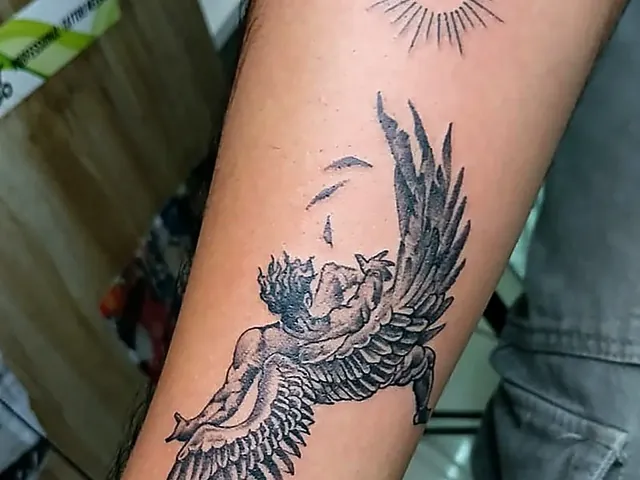
Realism & 3D Tattoos in Brookefield
Explore service Read the guide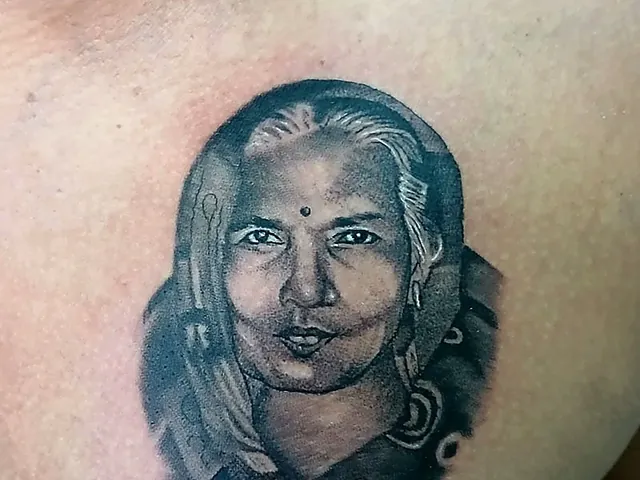
Portrait & Memorial Tattoos, Bangalore
Explore service Read the guide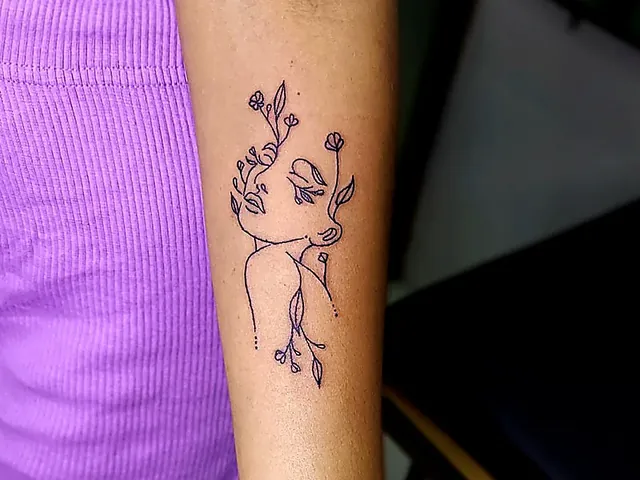
Fine Line & Minimalist Tattoos, AECS Layout
Explore service Read the guide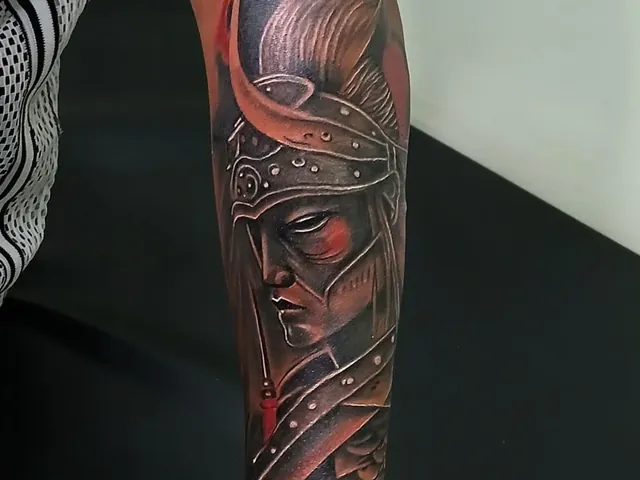
Black & Grey Tattoos near Whitefield
Explore service Read the guide