
How to Choose a Safe Tattoo Studio: Hygiene Checklist
Key takeaways
- Needles and cartridges should be single-use and opened from sealed packs in front of you.
- Gloves, barrier film and single-use ink caps prevent cross-contamination between clients.
- Reusable tools need proper medical-grade sterilisation, not just a wipe.
- A safe tattoo studio welcomes hygiene questions and answers them clearly.
- Walk away from reused equipment, dirty surfaces or vague answers.
On this page
A safe tattoo studio is easy to recognise once you know what to look for: needles opened from sealed packs in front of you, fresh gloves, barrier film on equipment, single-use ink caps, sterilised tools and a station cleaned between every client.
This checklist explains each one, why it matters and what to ask. Use it at any studio — including ours in Brookefield, Bengaluru — before you sit in the chair.
Hygiene is not a luxury or an add-on. It's the foundation of every safe tattoo.
Why tattoo hygiene matters
Tattooing breaks the skin thousands of times in a single session. That makes it a minor medical procedure, even if it happens in a studio and not a clinic.
Poor tattoo hygiene can lead to:
- Skin infections, causing redness, pain, swelling and pus.
- Blood-borne infections, such as hepatitis B, hepatitis C and HIV, if equipment is reused or not sterilised.
- Allergic reactions or irritation, from contaminated or poor-quality ink.
- Poor healing, which can damage the look of your tattoo.
The good news: almost all of these risks can be controlled with proper procedures. That's why choosing a safe tattoo studio is the single most important health decision you'll make.
Single-use needles, opened in front of you
Needles and needle cartridges should be used once and then thrown away in a proper sharps container.
What to look for:
- The needle or cartridge comes in a sealed, sterile pack.
- The pack is opened in front of you, just before your session.
- Used needles go straight into a sharps disposal box, not a regular bin.
- Needle tubes and grips are either disposable or properly sterilised.
Ask the artist: "Can I see the needle pack before you open it?" A professional will show you without hesitation.
Peace's tip: Don't feel awkward watching the setup. I'd rather you watch me open every pack than sit there wondering. It's your skin — you have every right to see it done properly.
Gloves, barrier film and clean surfaces
Cross-contamination happens when germs move from one surface to another. These steps stop that.
Gloves
- The artist should wear fresh disposable gloves for your session.
- Gloves should be changed if the artist touches anything outside the work area — a phone, a drawer, a door handle.
- Torn gloves should be replaced immediately.
Barrier film
- Plastic film or sleeves should cover the tattoo machine, clip cords, cables, spray bottles and the work surface.
- All barrier film should be replaced after every client.
Surfaces
- The chair or bed and the work surface should be cleaned with a hospital-grade disinfectant between clients.
- The station should be visibly clean and uncluttered.
- Food and drinks shouldn't be near the work area.
Ink caps and disposables
Ink is a common source of contamination if it's handled carelessly.
What a safe tattoo studio does:
- Pours a small amount of ink into new, single-use ink caps for each client.
- Never dips the needle into the main ink bottle.
- Throws away leftover ink and caps after your session.
- Uses fresh disposable razors, stencil applicators, paper towels and tongue depressors for applying ointment.
Ask: "Where do your inks come from, and are they sealed until use?"
If you have known skin allergies, especially to certain colours or metals, mention it at the consultation.
Autoclave and sterile tools
Anything reusable that touches the tattoo area — such as some grips or tubes — must be cleaned and sterilised properly between clients.
The standard method is a medical-grade steriliser, commonly an autoclave, which uses pressurised steam to kill bacteria, viruses and spores.
What to look for:
- The studio can tell you how reusable tools are sterilised.
- Sterilised tools are stored in sealed pouches until use.
- Pouches are opened in front of you.
Many studios now use fully disposable grips and cartridges, which avoids the need to sterilise these parts at all. Either approach can be safe — what matters is that the studio can explain theirs clearly.
Tattoo hygiene checklist at a glance
Print this out or save it on your phone before you visit any studio.
| Check | What good looks like | Ask if unsure |
|---|---|---|
| Needles | Sealed, single-use, opened in front of you | "Can I see the pack?" |
| Gloves | Fresh pair, changed when needed | "Will you change gloves if you touch something else?" |
| Barrier film | On machine, cords, bottles, surfaces | "Is everything covered for each client?" |
| Ink | Fresh single-use caps, never dipped in bottle | "Do you use new ink caps for me?" |
| Tools | Sterilised and sealed, or fully disposable | "How do you sterilise reusable tools?" |
| Station | Clean, uncluttered, disinfected | "How do you clean between clients?" |
| Sharps | Proper sharps container | "Where do used needles go?" |
| Health check | Asks about allergies and medication | — |
Questions to ask a safe tattoo studio before you book
A safe tattoo studio won't mind any of these questions. In fact, they'll be glad you asked.
- Are your needles and cartridges single-use?
- Will I see the needle opened?
- How do you sterilise reusable equipment?
- Do you use barrier film and single-use ink caps?
- How do you clean the station between clients?
- What inks do you use?
- What aftercare do you provide?
- What should I do if I think my tattoo is infected?
Listen to how they answer, not just what they say. Clear, confident, specific answers are a good sign. Vague or irritated answers are not.
Red flags to walk away from
If you see any of these, leave — no matter how good the price or how close the studio is.
- Needles or cartridges already out of their packs when you arrive.
- The artist not wearing gloves, or touching their phone with gloved hands and carrying on.
- No barrier film on the machine or cords.
- Ink poured from a bottle that the needle has been dipped into.
- Dirty, cluttered or dusty workstations.
- Used needles thrown into a regular bin.
- No questions asked about your health or allergies.
- Tattooing someone who is visibly drunk.
- Irritation or defensiveness when you ask about hygiene.
These aren't small issues. They are signs that safety isn't the studio's priority. Our checklist on choosing a tattoo studio in Brookefield covers the other things to look for, like portfolio and consultation quality.
Your part in staying safe
Hygiene doesn't end at the studio door. You also play a role.
Before your session:
- Don't get tattooed if you're unwell, have a fever or have broken skin in the area.
- Tell the artist about allergies, skin conditions and medication.
- If you have a medical condition — diabetes, a heart condition, a bleeding disorder or a weak immune system — check with your doctor first.
After your session:
- Follow aftercare instructions carefully.
- Wash your hands before touching the tattoo.
- Keep the area clean and covered when you're out in dust and traffic.
- Avoid swimming pools, the sea and saunas until fully healed.
Our day-by-day tattoo aftercare guide explains exactly what to do. And if something doesn't look right, our guide to infected tattoo signs tells you when to see a doctor.
The American Academy of Dermatology advises seeing a doctor right away if a new tattoo shows signs of infection, such as spreading redness, pain, drainage or pus.
What a safe setup looks like, step by step
If you've never watched a tattoo setup, it helps to know the order things usually happen in. Here's what a careful artist does before your tattoo begins:
- Washes hands and puts on fresh disposable gloves.
- Disinfects the workstation, chair and any surfaces that will be used.
- Covers equipment in barrier film — machine, clip cord, power supply, spray bottles and the lamp handle.
- Lays out fresh disposables on a clean surface: ink caps, paper towels, tongue depressors and a new razor.
- Opens the needle or cartridge from its sealed pack, in front of you.
- Pours ink into new single-use caps.
- Cleans and shaves your skin, then applies the stencil.
- Changes gloves if they touch anything outside the work area.
After your session, everything disposable is thrown away, needles go into a sharps container, and the station is cleaned and re-wrapped for the next client.
This might feel like a lot to watch, but it only takes a few minutes. A professional artist does it on autopilot, every single time.
Tattoo hygiene myths
A few common beliefs about hygiene aren't quite right.
"A clean-looking studio is a safe studio." Not always. A studio can look stylish and spotless but still reuse equipment. What matters is the process, not the décor.
"Expensive means hygienic." Price alone doesn't guarantee hygiene. Ask the questions on this list wherever you go.
"Small tattoos don't need full hygiene." Every tattoo breaks the skin. A tiny design needs exactly the same precautions as a sleeve.
"Wiping a needle with alcohol makes it safe to reuse." It doesn't. Needles must be single-use.
"If I don't get an infection right away, it was safe." Some blood-borne infections take time to show. That's why single-use needles and sterile tools matter from the start.
Health conditions and tattoos
Some health conditions don't stop you from getting tattooed, but they do mean extra care.
Speak to your doctor before booking if you have:
- Diabetes or another condition that slows healing.
- A bleeding disorder, or if you take blood-thinning medication.
- A heart condition.
- A weakened immune system.
- A skin condition such as eczema or psoriasis in the area.
- A history of keloid scarring.
- Pregnancy or breastfeeding.
Share this information honestly with your artist too. A responsible studio may suggest waiting, choosing a different placement or getting medical clearance first. That's a sign they care about your safety, not a rejection.
What to do if you're unsure after a session
Sometimes you only start wondering about hygiene after you've left the studio. If that happens:
- Watch the tattoo closely for signs of infection over the next few days.
- Follow aftercare carefully — clean hands, gentle washing, a thin layer of product.
- See a doctor if you notice spreading redness, increasing pain, pus or fever.
- Tell your doctor if you're worried equipment may have been reused. They can advise you on tests for blood-borne infections.
- Don't wait it out. Early care is always easier than late treatment.
Your health matters more than any design. When in doubt, get checked, and keep any aftercare notes from the studio to show your doctor.
Related guides: For a closer look at the needle itself, read what makes a safe tattoo needle. For pigments and allergies, see vegan vs traditional tattoo inks.
Xing's process
At Xing Premium Tattoo Studio, these standards are part of every session, every time:
- Single-use, disposable needles — opened in front of you.
- Sealed, skin-tested inks imported from the US.
- Medical-grade sterilisation for every reusable tool.
- Barrier film on the machine, cables, bottles and workstation.
- The workstation is fully cleaned and re-wrapped between every client.
- Fresh gloves and single-use disposables for each session.
Peace handles every session personally, so the same standards apply from consultation to final wipe. You're welcome to ask any question on this list — we'll show you exactly how it's done.
You'll also leave with clear aftercare guidance and a WhatsApp number to message if you're unsure about anything while you heal.
Conclusion: hygiene first, always
A beautiful design means nothing if it's done unsafely. Before you book anywhere, check for single-use needles, gloves, barrier film, fresh ink caps, sterile tools and a clean station. Ask questions, and trust your instincts.
If you're looking for a safe tattoo studio in Brookefield, AECS Layout or nearby Whitefield and Marathahalli, you're welcome to visit us and see our setup for yourself. Read our FAQ page or see our tattoo services before you come.
Ready to talk about your idea? Book a free consultation at Xing on the First Floor of SV Plaza, above DMART Ready, AECS Layout, Brookefield — or WhatsApp us.
Frequently asked questions

Written by
Peace
Lead Artist at Xing, Brookefield, with 15+ years of experience. Every consultation, design and session at the studio is handled by Peace personally.
Meet PeaceShare this guide
WhatsAppKeep reading
Signature Tattoo Services in Brookefield, Bangalore
Custom work by Peace at our AECS Layout studio — serving Brookefield, Marathahalli, Whitefield and East Bengaluru.
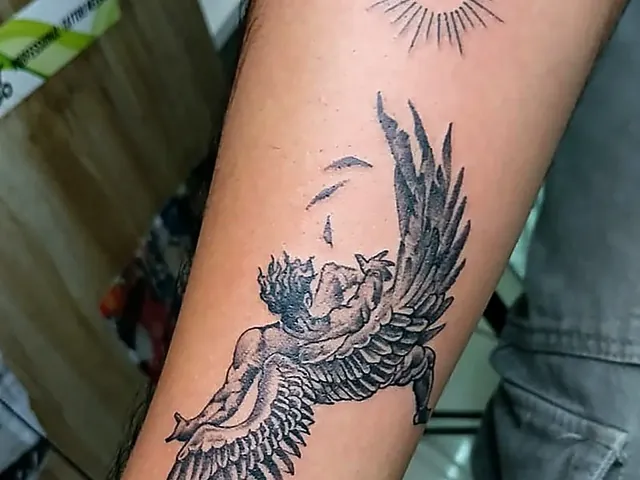
Realism & 3D Tattoos in Brookefield
Explore service Read the guide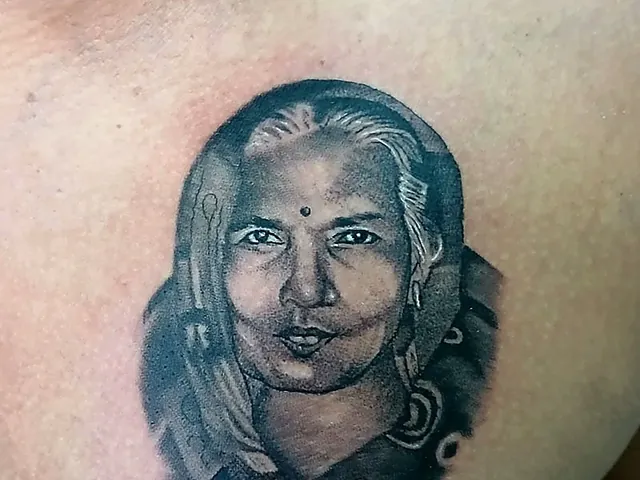
Portrait & Memorial Tattoos, Bangalore
Explore service Read the guide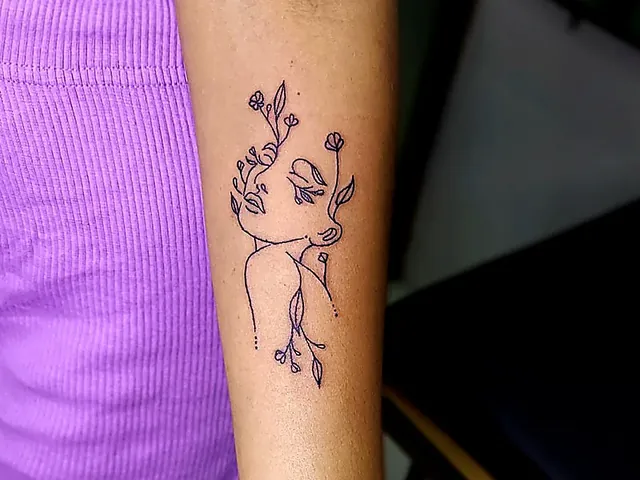
Fine Line & Minimalist Tattoos, AECS Layout
Explore service Read the guide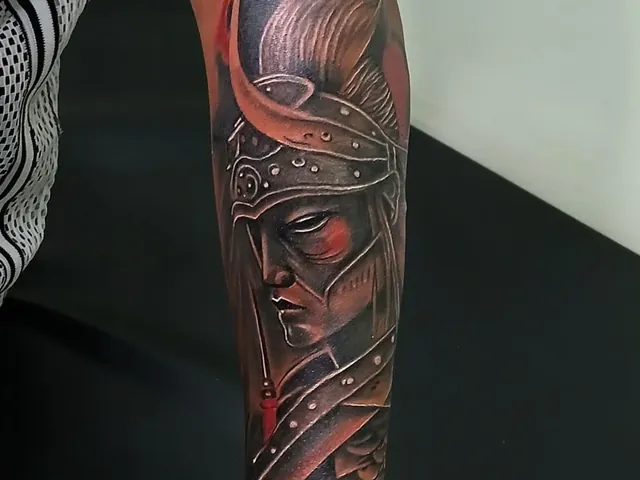
Black & Grey Tattoos near Whitefield
Explore service Read the guide